
Copyright Policy
iTweet respects the rights of creators and expects everyone using the platform to do the same. This policy explains what copyright protects, what you are responsible for when you publish, how iTweet handles infringement notices, and how you can appeal a decision. It applies to posts, reels, stories, profile media, listings, audio uploads, direct messages that are forwarded publicly, and paid promotions.
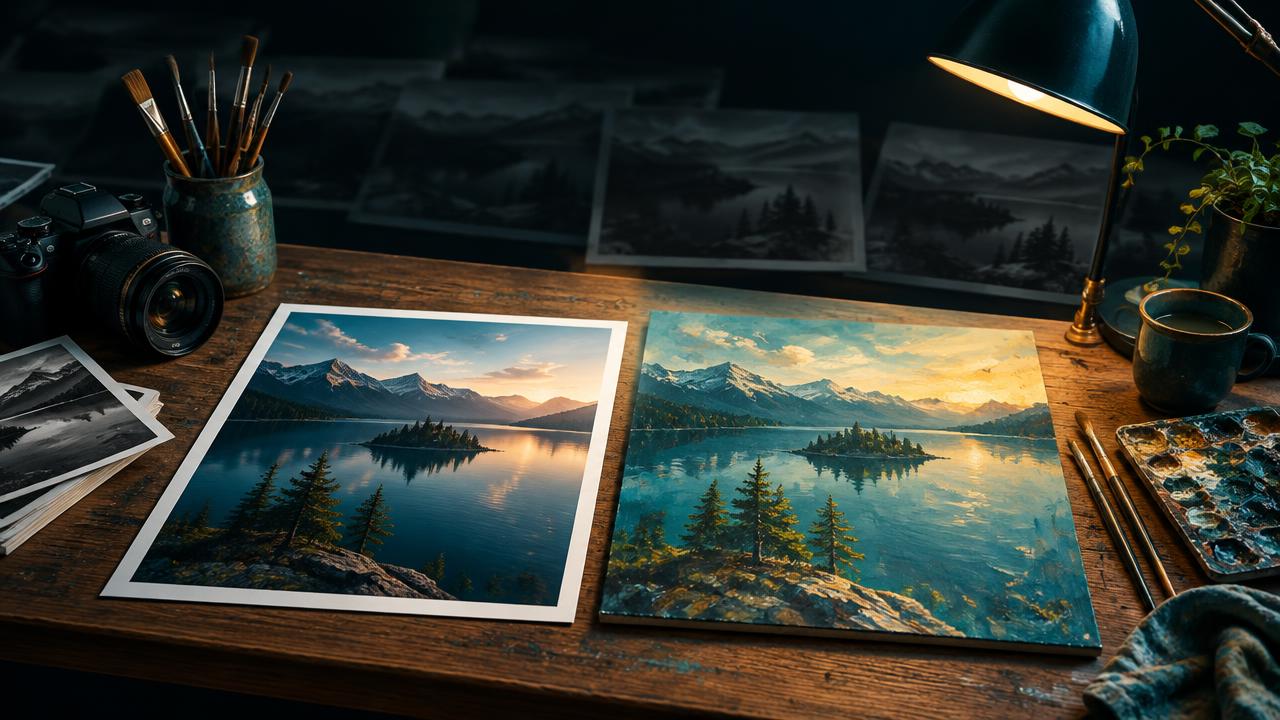
Copyright is an automatic legal right that arises the moment an original work is fixed in a tangible form. It protects the specific expression of an idea rather than the idea itself: a photograph of a sunset is protected, but sunsets are not. On iTweet, copyright typically covers still photographs and edited images, short-form video and reels, background music and voice recordings, illustration and graphic design, written captions and long-form text, screenplay-style scripts, software source code shared in posts, and audiovisual compilations such as edits, mashups and slideshows.
Copyright does not protect names, titles, slogans, short phrases, factual information, statistics, government notices, or works that have entered the public domain. Logos, brand names and product identities are usually protected by trademark rather than copyright; those reports are handled through the trademark route, not this policy. Ownership of a physical copy of something — a printed photo, a purchased album, a downloaded video file — does not transfer the underlying copyright and does not create a right to republish it.
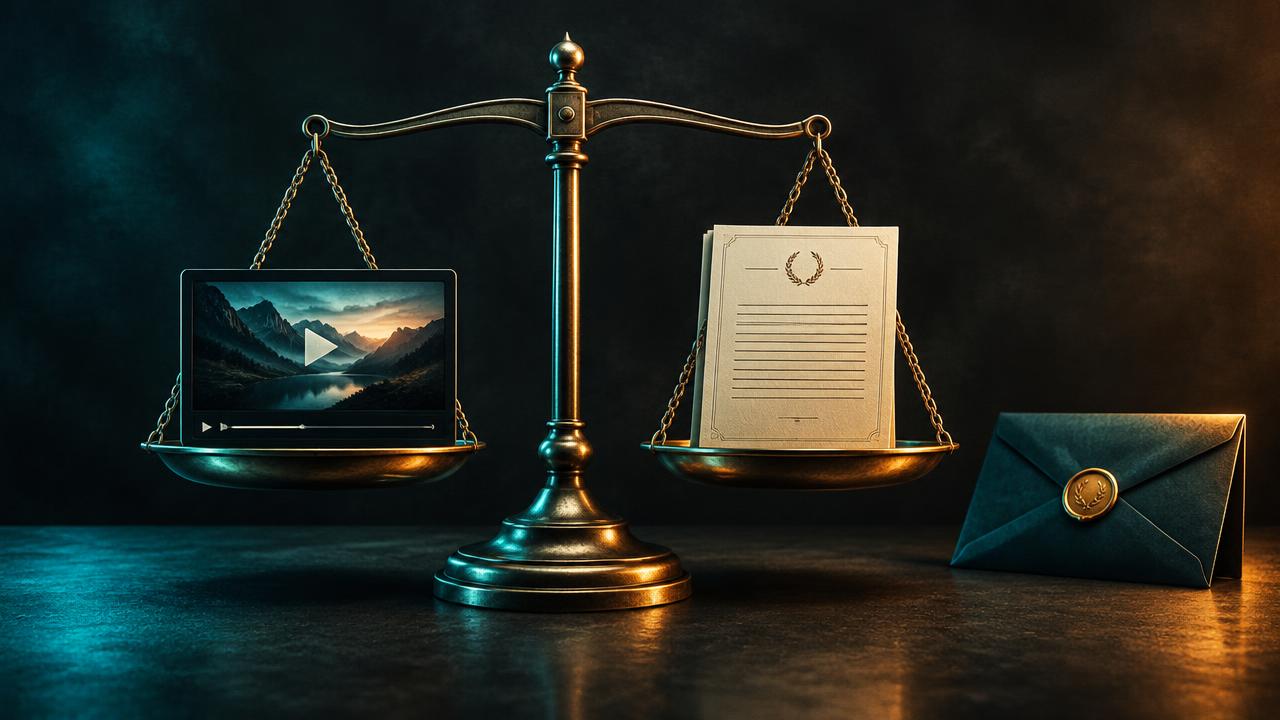
Before you publish, you should be able to answer one question honestly: did I create this, or do I have permission to use it? If the answer is no, do not post it. Purchasing a stock licence, receiving a file from a client, downloading an asset from a free library or crediting the original author in a caption does not automatically grant the rights you need. Licences carry conditions — attribution requirements, non-commercial limits, territory limits, or bans on use in advertising — and iTweet expects you to respect them.
Tagging the creator, writing “credits to the owner”, adding “no copyright intended”, lowering the resolution, mirroring the video, changing the pitch of audio, or cropping out a watermark does not make an unauthorised use lawful. Where you want to use commercial music in a reel, use tracks made available inside the iTweet audio library, which is licensed for the specific in-app uses described at the point of selection. Music imported from outside the app is your responsibility.
Many jurisdictions allow limited unlicensed use of protected work for criticism, review, news reporting, teaching, research, parody or satire. In India this is described as fair dealing under the Copyright Act, 1957; other countries use fair use or similar exceptions. Whether a use qualifies is a legal question decided by courts, not by iTweet, and the analysis usually weighs the purpose of the use, how much of the original was taken, how transformative the result is, and whether it substitutes for the original in the market.
Practically, a short clip inside a substantive review is far more defensible than a full episode uploaded without commentary. iTweet cannot advise you on whether your use is lawful, and it does not adjudicate fair dealing disputes between parties. When a valid notice is received the content is actioned; if you believe your use was lawful, the appeal process is the correct place to make that case, and if the dispute escalates it may ultimately be resolved by a court.
Copyright reports are reviewed by the trust and safety team against a fixed checklist: is the reporter the owner or an authorised agent, is the original work identified with enough specificity, are the infringing URLs precise, and are the good-faith and accuracy declarations complete. Incomplete notices are returned with a request for the missing element rather than actioned blindly, because over-removal harms creators just as much as under-enforcement does.
Where a notice is valid, the reported content is removed or access to it is disabled, the uploader is notified with the nature of the claim, and a record is attached to the account. Where the same asset has been re-uploaded repeatedly, the account may be limited from posting in that format. iTweet does not disclose the reporter’s contact details to the uploader unless legally compelled, but the substance of the claim is always shared so the uploader can respond meaningfully.
If your content was removed and you own it, licensed it, or believe your use was lawful, you can appeal. The appeal must identify the removed content, explain the basis of your right to use it, and confirm the statements you make are accurate. Appeals are reviewed by a reviewer who was not involved in the original decision. If the appeal succeeds, the content is restored and the strike is cleared from your record.
Use the appeal form to submit a case. Deliberately false counter-notices are treated as abuse of the process and can result in permanent loss of access.
iTweet operates a graduated response. A first valid claim results in removal and an educational notice. A second results in a temporary restriction on publishing in the affected format. Continued infringement leads to loss of monetisation eligibility, removal from recommendation surfaces, and ultimately permanent termination. Accounts created to evade an existing restriction are removed on discovery, and any linked accounts operated by the same person may be actioned together.
Strikes expire after twelve months of clean standing. Successful appeals remove the strike immediately. Termination decisions are reviewed by a second specialist before they take effect wherever the account has an active subscription, monetisation history or a significant audience.
Sound recordings carry two distinct rights: the composition and the recording itself. This is why a cover version can still trigger a claim. Tracks offered inside the iTweet audio library are cleared for use in reels and stories on iTweet only; exporting a reel and republishing it elsewhere is outside that clearance. Audio uploaded by users may be muted or the entire clip removed if a rights holder objects, and in some territories a track may be available while being blocked in others.
To submit a copyright notice, use the copyright report form. It collects your contact details, your relationship to the work, a description of the original, the precise URLs of the infringing content, your explanation, the action you are requesting, and the two declarations required for a valid notice. The reporting process guide walks through each stage and what happens after submission.
This policy is reviewed as law and platform features change. Material changes are announced in the app before they take effect. Continued use of iTweet after a change indicates acceptance of the updated policy.
Need to contact iTweet about a copyright matter?
iTweet does not use email queues or phone lines for support. For any matter — reports, appeals, account recovery, privacy requests, billing, or legal questions — use iTweet AI. It collects the details, verifies context, and routes your case to the right specialist team.
Contact iTweet AI